
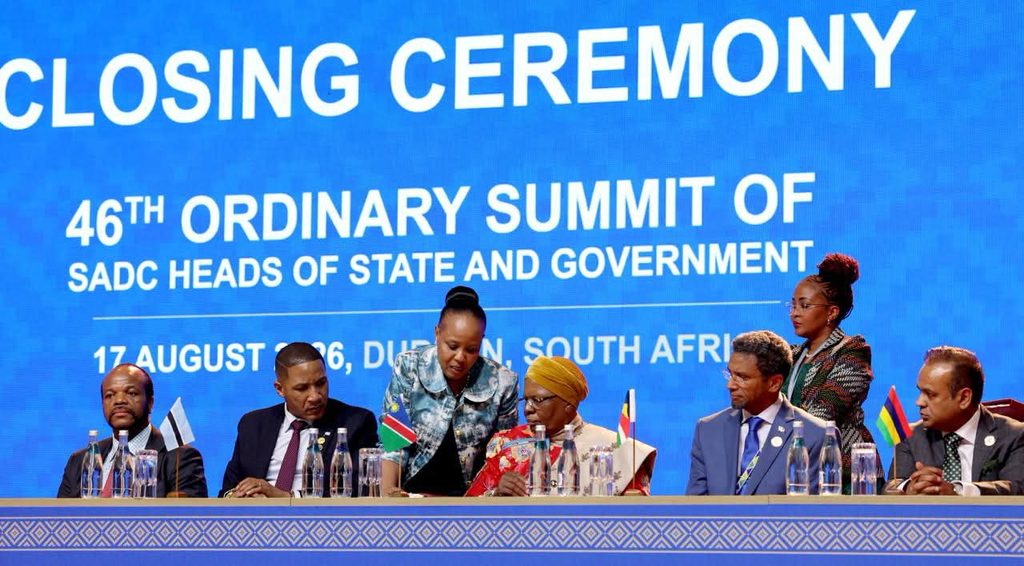
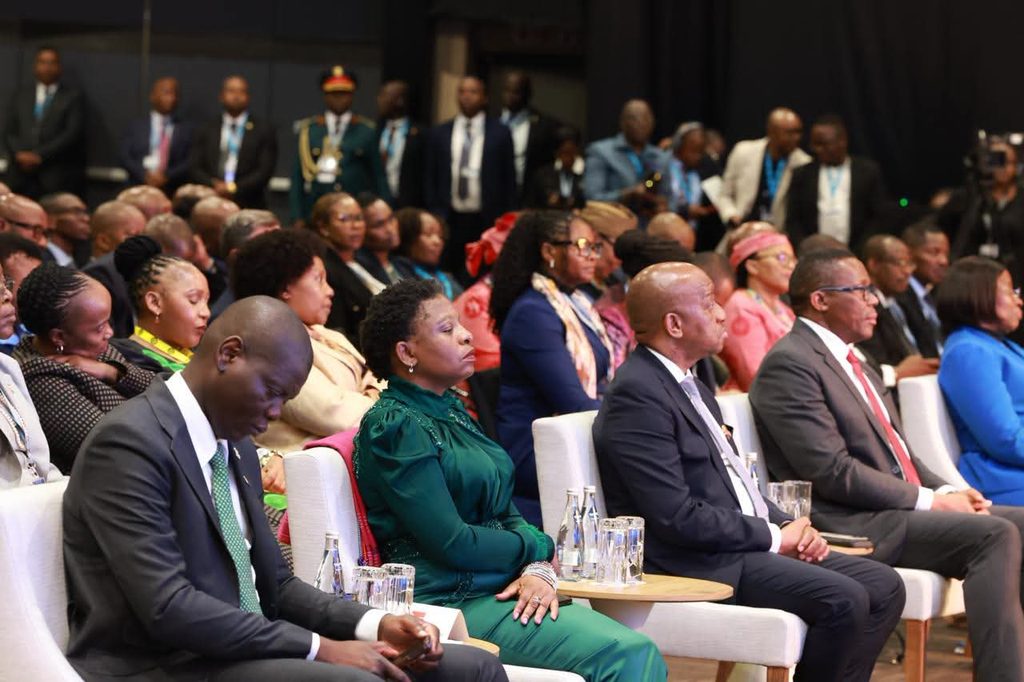
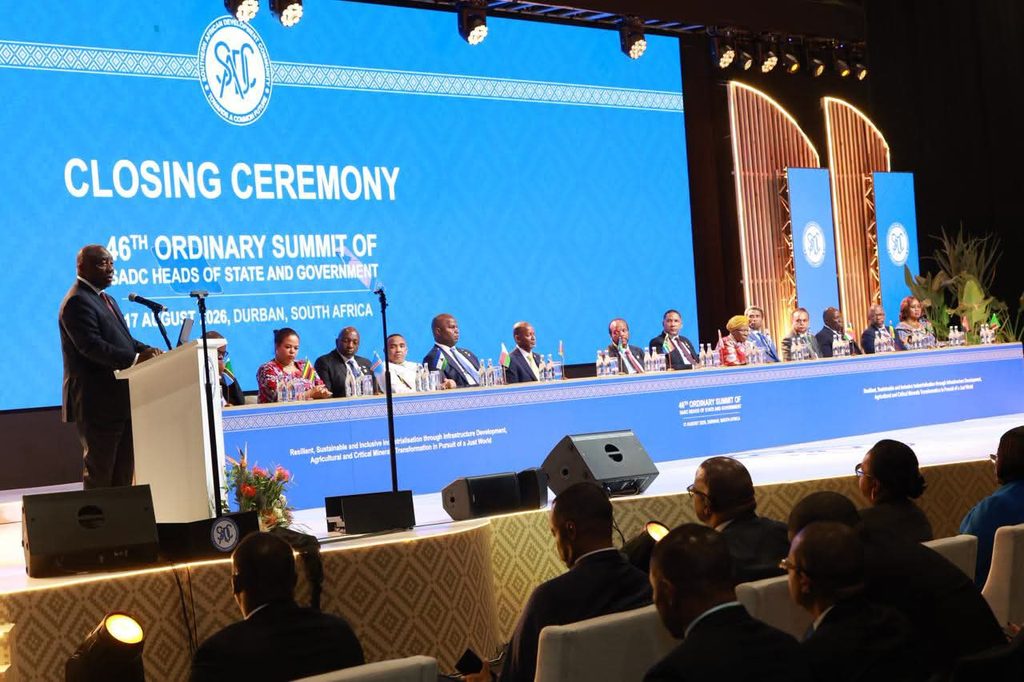
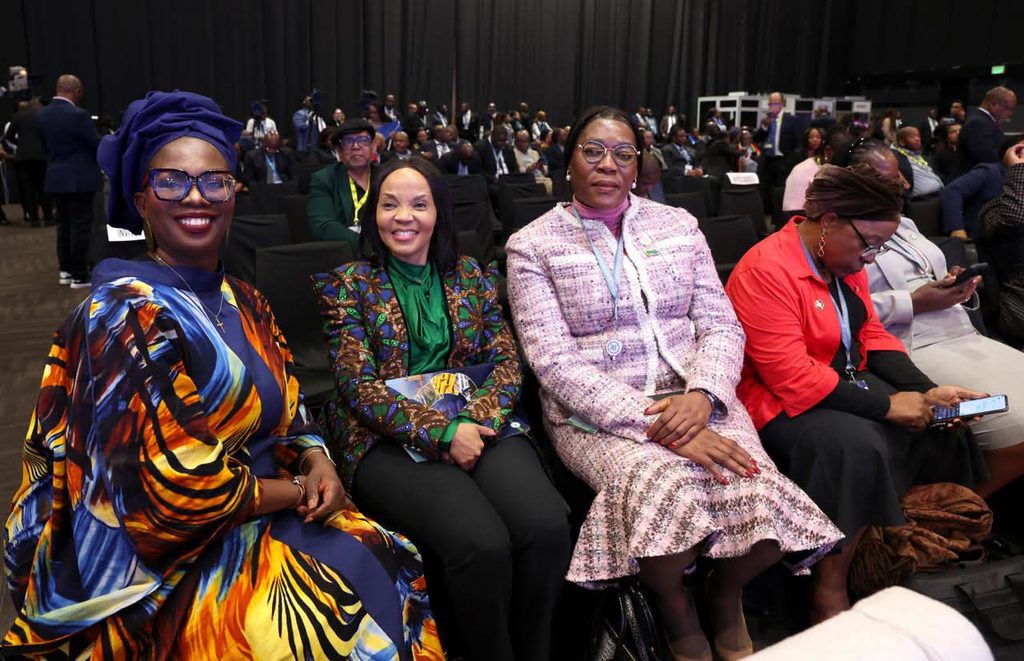
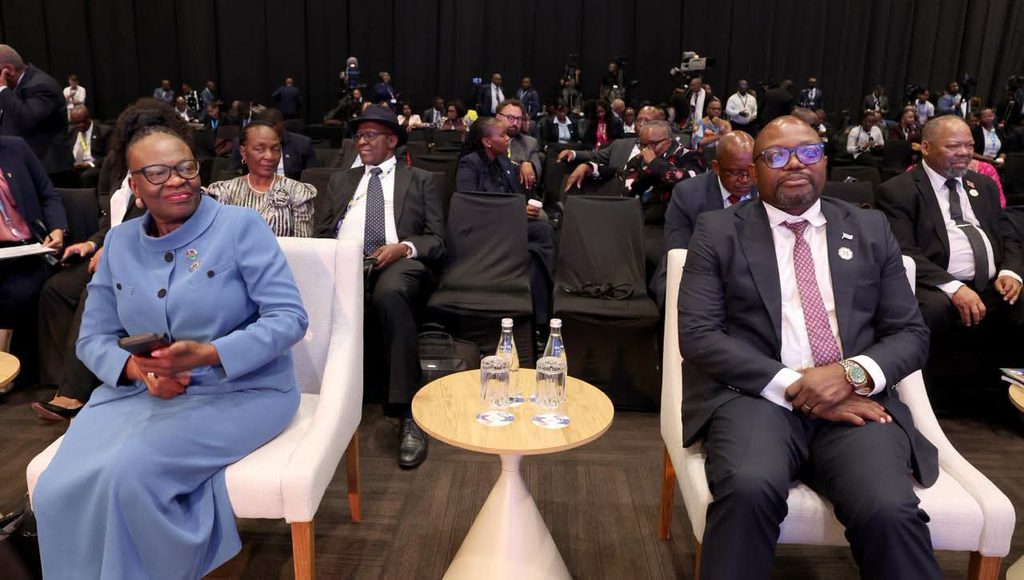

Durban, South Africa — The hosting of the 46th Ordinary Summit of the Southern African Development Community (SADC) in Durban on 17 August 2026 was more than a diplomatic gathering of presidents and government leaders. It was a moment that placed Southern Africa’s shared future at the centre of discussions about development, peace, economic transformation and African unity.
The summit brought together leaders from the SADC region under the theme: “Resilient, Sustainable and Inclusive Industrialisation through Infrastructure Development, Agricultural and Critical Minerals Transformation in Pursuit of a Just World.” The theme speaks directly to some of the biggest challenges facing African countries: unemployment, poverty, limited industrialisation, food insecurity, inadequate infrastructure and the need to benefit more from the continent’s natural resources.
Why was the SADC Summit important?
SADC exists to promote development, peace and security, economic growth, poverty reduction and a better quality of life through regional integration. The summit therefore provides leaders with an opportunity to look beyond individual national interests and ask a bigger question: How can Southern African countries work together to improve the lives of their people?
One of the key issues is industrialisation. Africa has enormous natural resources, including minerals that are increasingly important to the global economy. Yet African countries have historically exported many raw materials and imported finished products.
The SADC agenda creates an opportunity to change this situation by encouraging countries to develop industries, add value to their resources locally and create jobs within the region.
For example, instead of simply exporting minerals, African countries should increasingly look at how those minerals can support manufacturing, technology, energy and other industries on the continent.
Infrastructure can connect Africa
Infrastructure is another major part of the SADC vision.
Roads, railways, ports, electricity networks and digital infrastructure do not only belong to individual countries. They can become instruments of regional economic integration.
When countries are better connected, businesses can trade more easily, farmers can reach markets, young people can access opportunities and goods can move more efficiently across borders.
This is why regional cooperation matters. A road that connects two countries can become a bridge between two economies, and a strong regional energy network can become a foundation for industrialisation.
What does this mean for Africans?
For ordinary Africans, summits such as this should not only be about presidents sitting around a table. The real measure of success must be whether decisions eventually reach ordinary people.
A successful SADC agenda should translate into jobs for young people, stronger businesses, better infrastructure, food security, improved education and skills development, greater trade and better living conditions.
Africa has one of the world’s youngest populations. That presents both an opportunity and a responsibility. If young Africans are equipped with education, skills, technology and opportunities, they can become the driving force behind the continent’s economic transformation.
African unity through regional cooperation
The Durban summit also reminds us that African unity does not begin and end with political speeches. It is built through practical cooperation.
Countries may have different languages, economies, political systems and national priorities, but they share many challenges. Unemployment does not stop at a border. Climate change does not recognise national boundaries. Economic instability, insecurity, food shortages and infrastructure challenges can affect entire regions.
Working together therefore gives African countries a stronger voice and greater capacity to respond to shared challenges.
The summit also reinforced the importance of peace and security in creating the conditions necessary for development. SADC endorsed measures to strengthen mediation, conflict prevention and preventative diplomacy in the region.
South Africa’s responsibility
South Africa’s hosting of the summit and assumption of the SADC chairpersonship for the 2026/27 term places an important responsibility on the country.
The leadership challenge is not simply to host successful meetings, but to help turn regional commitments into practical programmes that improve people’s lives.
President Cyril Ramaphosa has called for the SADC Vision 2050 to be translated into action, with emphasis on solidarity, equality, shared prosperity, regional integration, industrialisation, infrastructure, peace and inclusive development.
The bigger African story
The Durban summit should therefore be viewed as part of a much bigger African story.
Africa cannot achieve meaningful transformation if its countries continue working in isolation.
Regional cooperation can help African nations use their combined markets, resources, skills and human capital to build stronger economies.
For ordinary citizens, the message should be simple: SADC must not only be about agreements between governments; it must ultimately be about creating opportunities for the people.
The success of the Durban Summit will therefore be measured not by how many leaders attended, but by what happens after they leave.
Will industries grow?
Will young people find opportunities?
Will infrastructure improve?
Will African countries trade more with one another?
Will communities experience greater peace and prosperity?
Those are the questions that matter.
Durban has provided the platform. The real work begins with turning commitments into action.
And for Africa, that action must lead towards a future where the continent does not merely export its resources, but creates value from them; where young people are not seen only as beneficiaries, but as partners in development; and where African nations understand that our greatest strength may lie in what we can achieve together.